Knowledge
Twenty articles, May to November 2024
Seesee wrote for buyers as much as for wearers: bulk purchasing of single vision, a wholesaler's guide to freeform, a comparison of ten global lens makers. Each entry below is a summary in our words with one sentence in theirs, newest first, linking to the original. Six were later translated into Spanish.
- No. 20
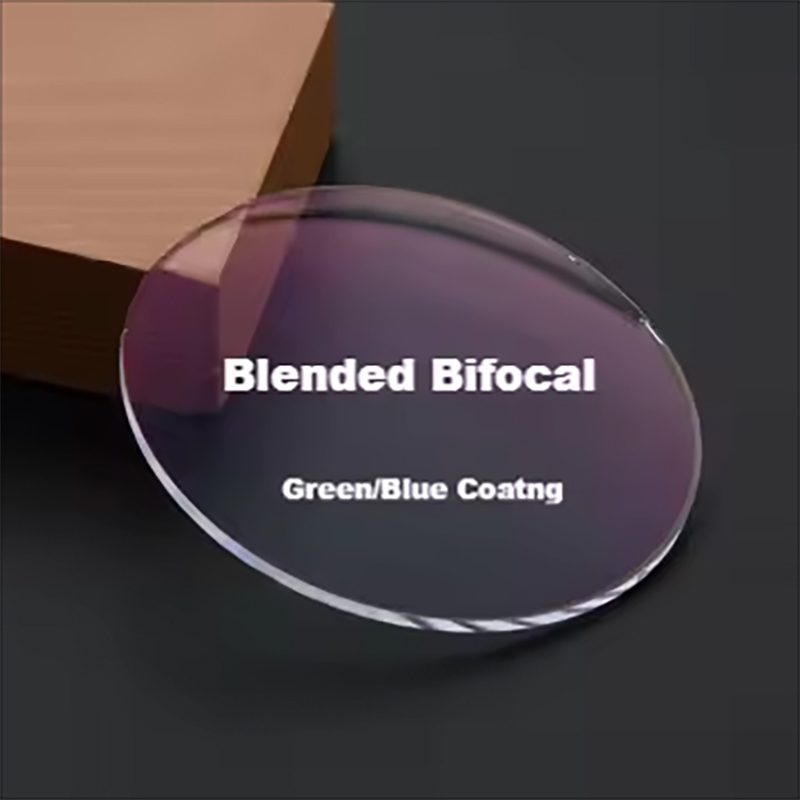
Round vs. Flat vs. Invisible vs. Progressive: Which Multifocal Lens Is Right for You?
Compares round-top, flat-top, blended/invisible and progressive multifocals (design, best for, aesthetics, US retail cost ranges) with pros/cons.
Multifocal lenses allow wearers to see clearly across multiple distances in one pair of glasses.
- No. 19
Common Blue Cut Lenses vs. Super Clear Blue Cut Lenses: Which One Offers Better Protection for Your Eyes?
Explains HEV risk, then compares tinted "common" blue cut (cheap, effective, yellowish) with "super clear" clear-base blue cut (true colour, higher transmittance).
- No. 18
Anti-Glare vs. Blue Cut Lenses: Which Suits Your Vision Needs Best?
Contrasts AR coating (reflections, clarity, aesthetics) with blue-cut filtering (digital strain, sleep), then a comparison and guidance, linking the Anti-Glare Driving and blue cut products.
Anti-glare, or anti-reflective (AR), lenses are designed to minimize reflections on the surface of the lenses.
- No. 17
CR-39 Plastic vs. Polycarbonate vs. Trivex: Which Single Vision Lenses Are Right for You?
History and pros/cons of the three SV materials with links to Seesee's PC, SV and Trivex product pages.
CR-39, short for Columbia Resin #39, has been a staple in the industry due to its low cost, optical clarity, and lightweight composition.
- No. 16
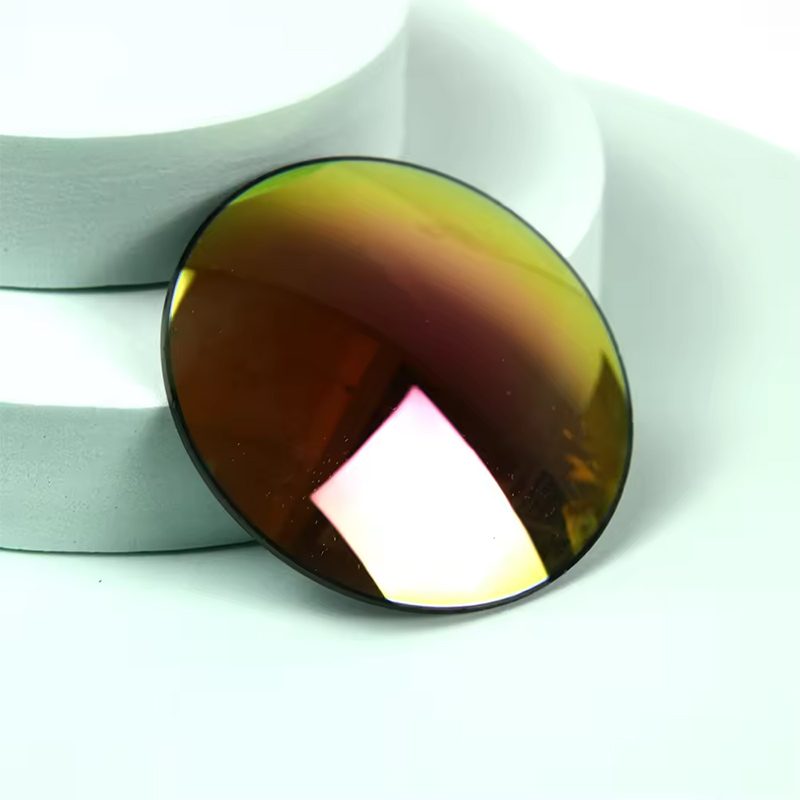
Polarized vs. Photochromic Lens: Which is Better for Outdoor Activities?
Benefits and drawbacks of each (polarized: glare, but dim and screen issues; photochromic: adaptive and UV, but slow in cold and inactive behind windshields).
Windshields filter out UV rays, so photochromic lenses may not darken effectively inside cars.
- No. 15
The Comprehensive Guide to 6 Key Blue Cut Lenses Applications
Six use cases: reading/close work, prescription glasses, computer use, night driving, children, outdoor.
From reading and prescription eyewear to night driving, children's use, and outdoor activities, blue cut lenses offer versatile benefits.
- No. 14
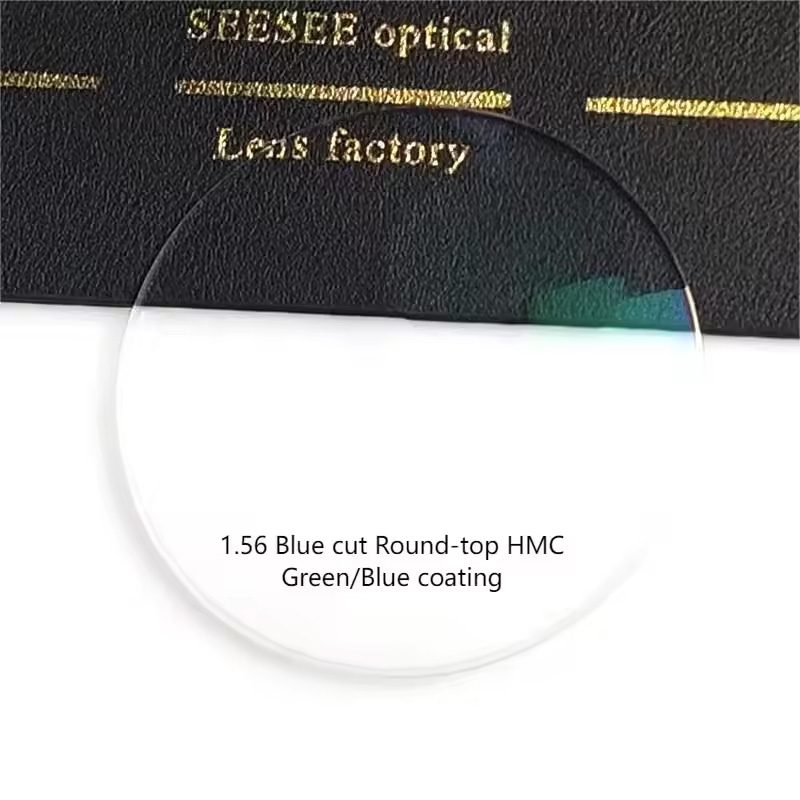
Single-Vision vs. Bifocal vs. Progressive: Which Lenses Work Best with Blue Cut Technology?
Explains HEV blue light filtering and compares how it performs on SV, bifocal and progressive designs with a best-for/benefits/limitations table.
- No. 13
The 10 Top Eyeglass Lens Manufacturers Leading the Global Market in 2024
Industry overview (blue light, eco production, customised lenses) followed by a table and profiles of ten global lens makers; interleaved with Seesee product cards.
The eyeglass lens industry is experiencing dynamic growth as innovations in optical technology and rising awareness of eye health drive demand.
- No. 12
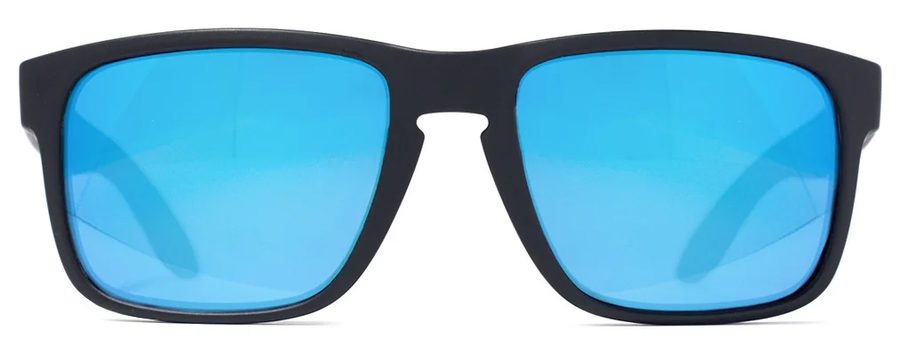
Which Polarized Lens Color Is Right for You: Gray, Brown, Green, Blue, Red, or Yellow?
Six-colour comparison (colour perception, contrast, light conditions, ideal uses, glare reduction, fatigue) and per-colour pros/cons.
Gray polarized lenses offer accurate color perception and minimize glare without distorting the natural color spectrum.
- No. 11
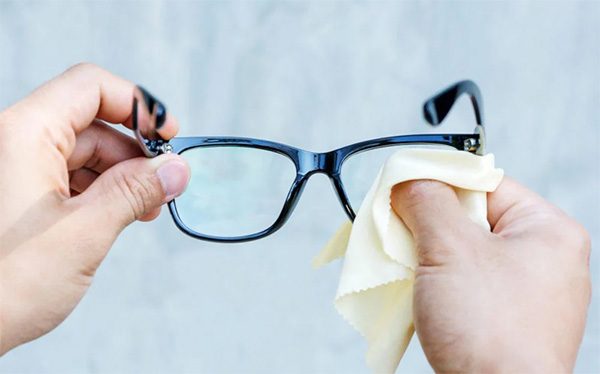
A Comprehensive Guide to Blue Cut Lens Refractive Index
Longest post: what blue cut lenses are (normal vs clear base), benefits, uses, then how index affects thickness, weight and optics, and how to choose and maintain.
Blue cut lenses are divided into Normal Blue Cut Lenses and Clear Base Blue Cut Lenses, both offering effective protection, with the latter maintaining a clearer appearance.
- No. 10
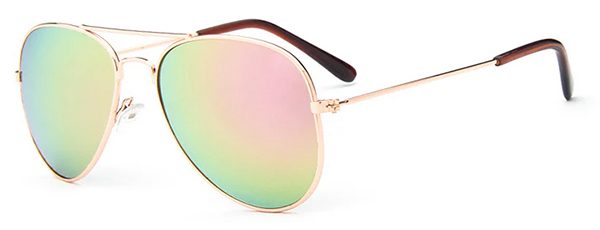
Which Lens Material is Best for Sunglasses: Glass, Polycarbonate, Trivex, Nylon, or Acrylic?
Property matrix for five sun-lens materials (clarity, impact, weight, UV, scratch, cost, chemical resistance, flexibility, Abbe) with pros/cons per material.
Polycarbonate lenses are popular for their impact-resistant and shatterproof properties, making them a safe choice for active lifestyles.
- No. 09
Single Vision vs. Bifocal vs. Multifocal Lenses: Which Is Right for You?
Nine-row comparison table (prescription, design, use case, aesthetic, comfort, adaptation, cost, versatility) and pros/cons for each type.
Single-vision lenses offer simplicity with one prescription across the entire lens, making them easy to use.
- No. 08
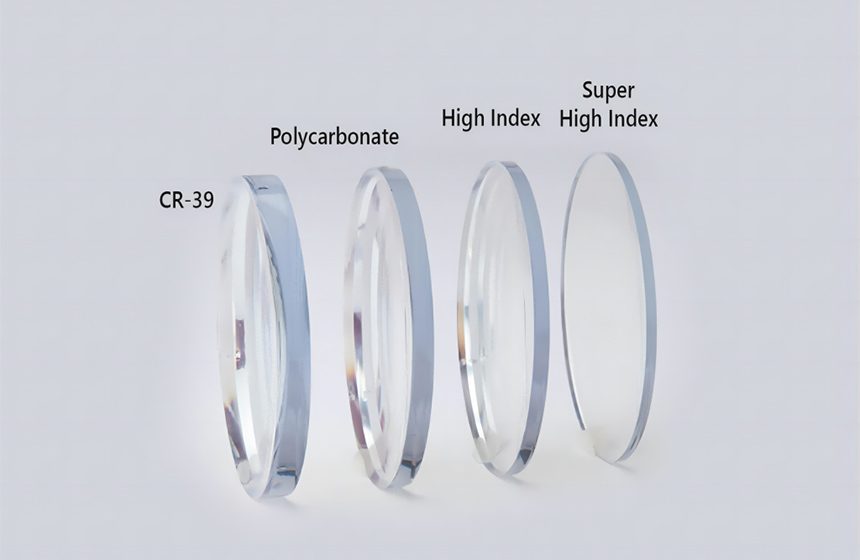
Different Types of Eyeglass Lenses: Choosing the Best One for You?
Overview of SV, bifocal, trifocal, progressive designs, then refractive-index tiers (standard 1.50, mid 1.56 to 1.60, high), materials and coatings, and how to choose.
Lenses with a higher refractive index are thinner and lighter, providing greater comfort for wearers, particularly those with higher prescriptions.
- No. 07
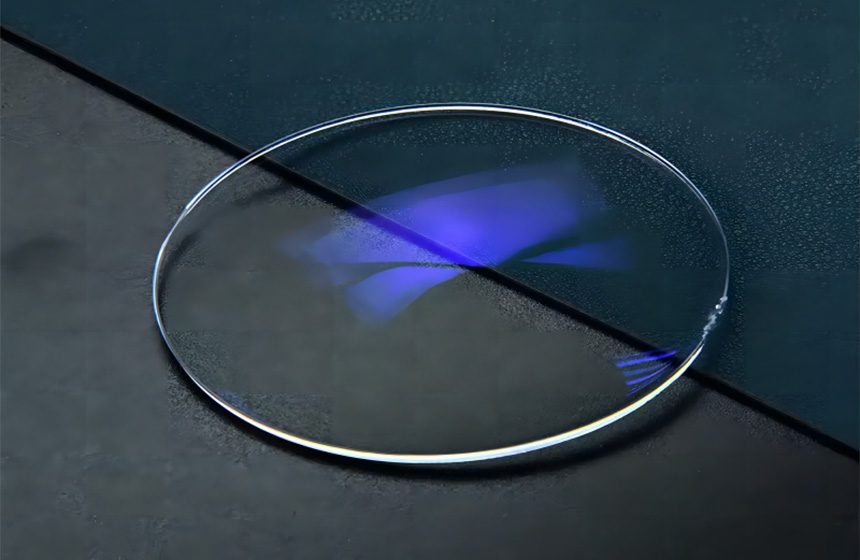
Trivex or Polycarbonate: Which Eyeglass Lens is Best for You?
Side-by-side table (material, clarity, Abbe 45 vs 30, durability, scratch resistance, cost) and pros/cons; Trivex clearer and tougher but pricier, PC lighter and cheaper.
Trivex lenses offer higher clarity and less chromatic aberration due to a high Abbe value (45).
- No. 06
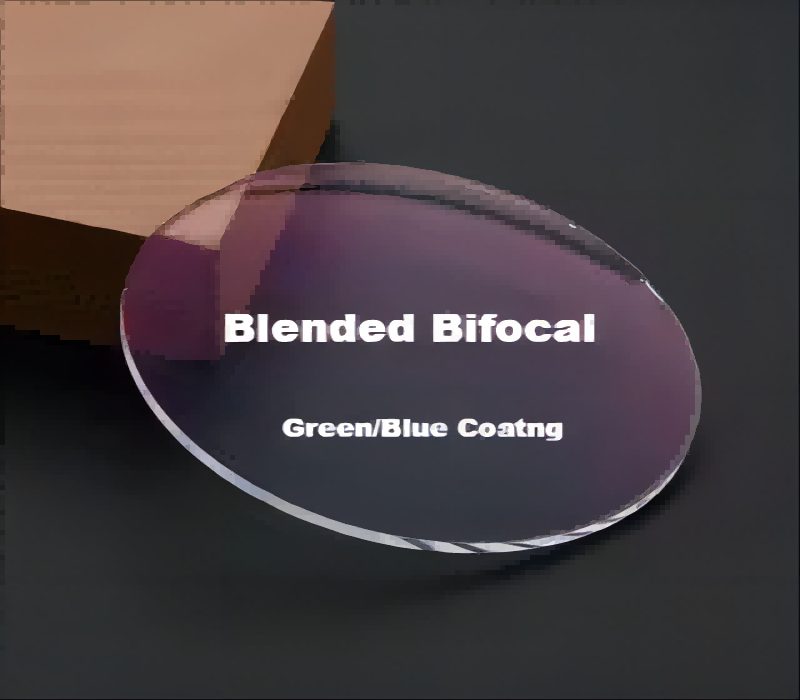
What are the advantages of single-vision lenses, progressives, and bifocals?
Benefits list per lens type: SV (clarity, customisation, light, cheap), progressives (versatility, no lines, one pair, natural transition), bifocals.
Progressive lenses lack the visible lines found in bifocals, providing a more youthful look.
- No. 05
Choosing the Right Sunglass Lens Color: Grey, Brown, or Green?
Comparison table of grey, brown and green sun tints (light transmission, colour distortion, best use, eye fatigue, contrast, style) followed by pros/cons per colour.
Grey lenses provide true color perception, letting you see colors as they naturally are.

- No. 04
Wholesaler Guide: Selecting the Optimal Freeform Eyeglass Lenses for Your Inventory
Defines freeform (digitally surfaced, per-prescription) lenses, lists benefits (precision, wide field, less distortion, comfort) and types (SV, progressive, occupational, photochromic freeform), then factors a wholesaler should weigh.
Freeform lenses are custom-made for each prescription, allowing for unparalleled precision.
- No. 03
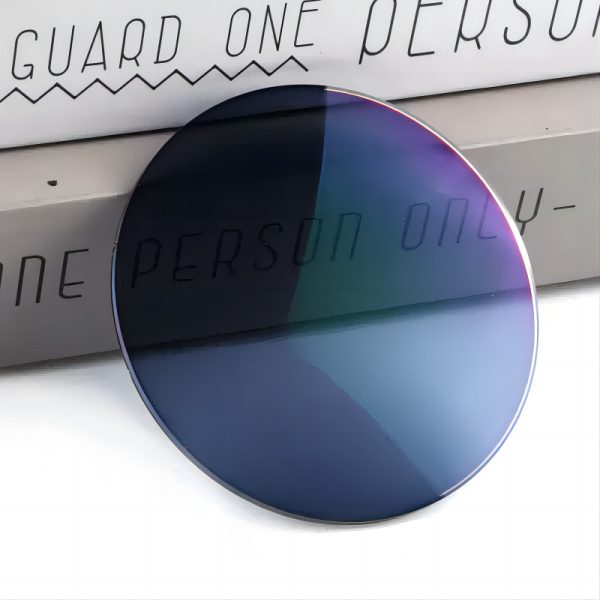
Choosing Durable Photochromic Single Vision Lenses: A Comprehensive Guide
Explains how photochromic molecules darken under UV and lists durability factors: material (PC/Trivex vs glass), anti-scratch and AR coatings, transition speed and even darkening, full UV coverage, brand reputation.
These lenses darken in sunlight and revert to clear indoors where there's no UV light, offering both convenience and protection.
- No. 02
How to Maintain Your Optical Glasses Lenses
Consumer care guide: microfiber and lens cleaner only, hold by the bridge, store in a case, avoid heat, chemicals and hot water, visit an optician for adjustments.
Always use a microfiber cloth and a cleaning solution specifically formulated for optical glasses to clean your glasses.

- No. 01
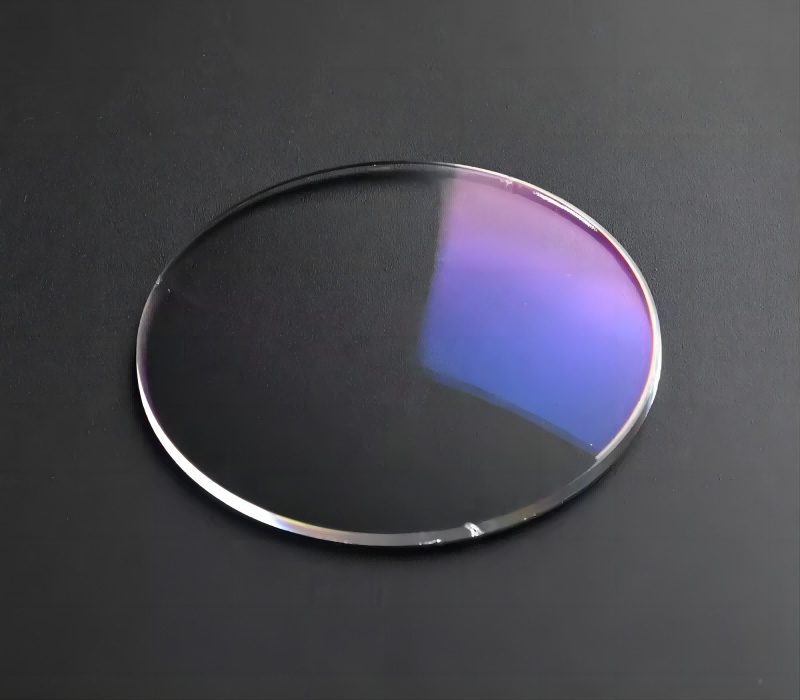
Rising Demand for Single Vision Lenses: Strategic Insights for Bulk Purchasers
Buyer-facing primer arguing screen use is driving single-vision demand. Walks through cost drivers (CR-39 vs polycarbonate vs high-index, AR/scratch/UV/blue-light coatings, aspheric design) and gives bulk-purchasing advice for institutions, corporations and retailers.
understanding their costs is especially important for bulk purchasers including educational institutions, corporations, and retailers.
Technical notes
Four things the product pages explain
On the normal blue cut page Seesee reports its own test and concludes that the most harmful wavelengths are centred around 435 nm plus or minus 20 nm, then prints the transmission table by band shown on the Lenses page.
Source: normal blue cut product page
The 2023 channel video contrasts normal (monomer) photo grey, described as the economic option in 1.56 and 1.61, with spin-coated photo grey; the 2025 spin-coating page adds the in-car and Karat variants.
The blue cut landing page FAQ gives a lifespan of 12 to 24 months for the coating under normal use.
Source: blue cut landing page
The July 2024 wholesaler guide defines freeform as digitally surfaced per prescription and lists what a wholesaler should weigh: designs, indices, coatings, supplier capacity.
Source: wholesaler guide
Catalogue
The 2025 catalogue
A single tall page: profile, three plant photographs, the product line list by family and index, a "New photochromic" panel, certificate thumbnails and the contact block with WeChat and WhatsApp QR codes. It is 48.6 MB.